
Why AI is hungry for memory
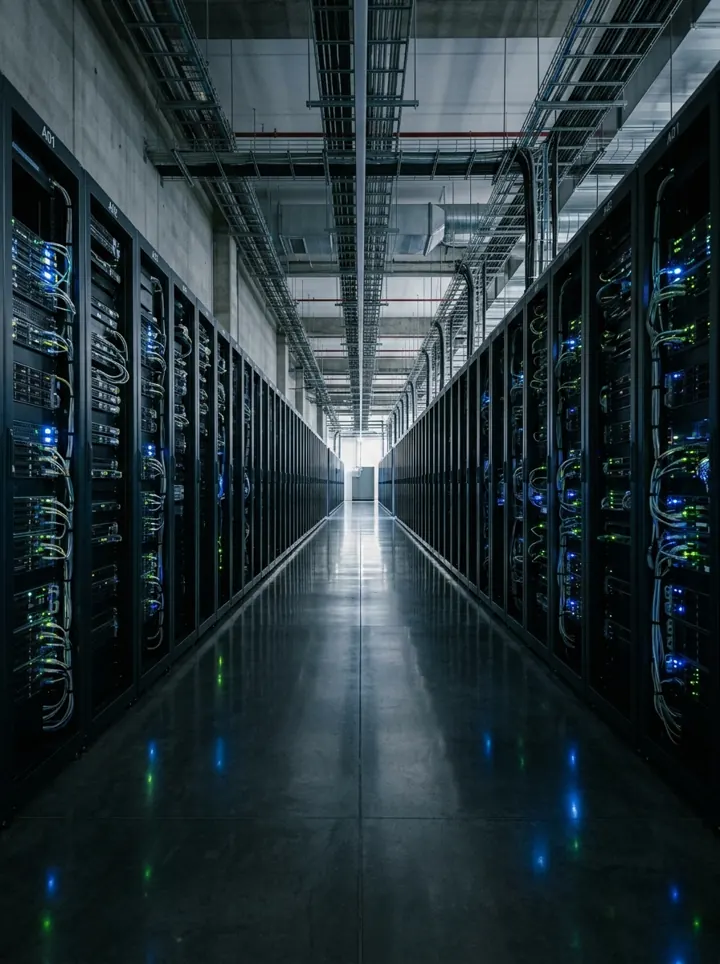
Large AI models live in memory while they run. The processors in AI servers are paired with stacks of high-bandwidth memory (HBM), special DRAM chips stacked on top of each other to feed data fast enough. Every new generation of AI chip uses more of it, and companies are building data centres with hundreds of thousands of these chips.
HBM is also far more profitable for chipmakers than the ordinary memory in your laptop, and it uses more factory capacity per gigabyte. One industry estimate cited by analysts is that HBM went from about 8% of global DRAM wafer capacity in 2024 to around a quarter in 2026.
How the shortage reaches you
The chain reaction, as reported by analysts through 2026:
- Factories switch. Samsung, SK hynix and Micron prioritise HBM and server memory for AI customers.
- Normal RAM gets scarce. Less capacity is left for the DDR5 and phone memory in consumer devices. Market tracker TrendForce repeatedly raised its 2026 DRAM price forecasts.
- Prices jump. J.P. Morgan estimated DRAM prices could rise more than 400% from early 2024 to the end of 2026. Some retail PC memory kits now cost several times what they did a year earlier.
- Devices follow. Phone and laptop makers face higher costs, so they raise prices or ship models with less memory.
What if AI took all of it?
Push the trend to its extreme and the world of personal computing changes shape:
- Your devices get weaker or pricier. New phones and laptops would ship with less memory, or cost much more.
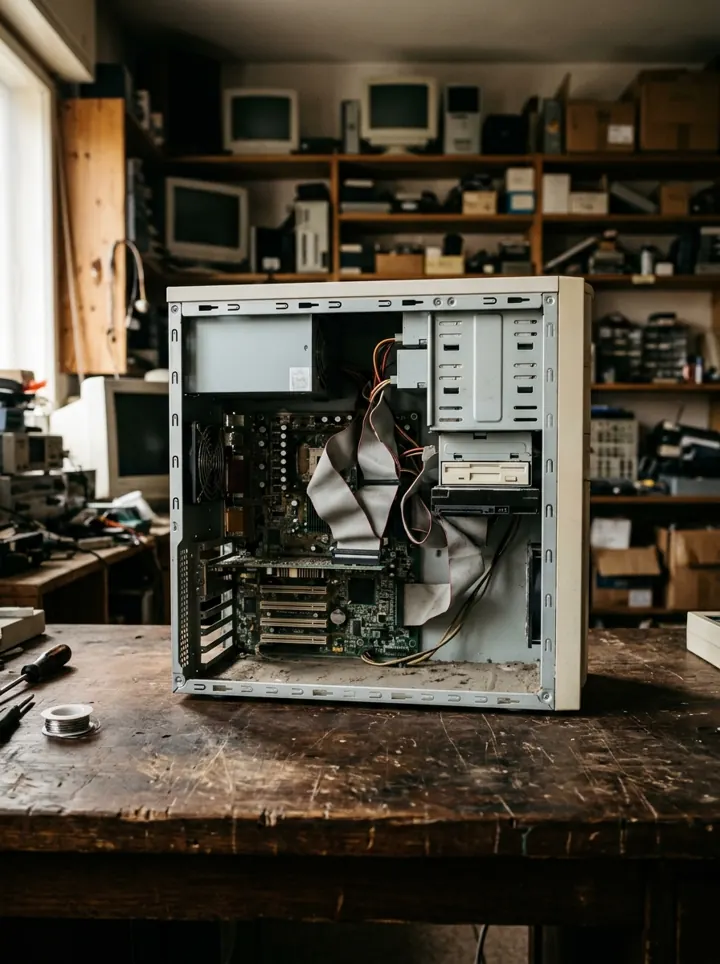
- Old hardware becomes valuable. Second-hand RAM and older computers would be worth more, not less.
- Software has to slim down. Games and apps would be designed to use less memory.
- More moves to the cloud. If your own device can't run things, you'd rent computing from data centres, often the same AI companies buying the memory.
Will it end?
Memory markets have always moved in cycles of shortage and glut. Chipmakers are building new plants, but a memory fab takes years and billions of dollars to come online. Some analysts call this a normal cycle that will ease by 2027; others, like IDC, describe it as a potentially lasting reallocation of the world's chip capacity towards AI. Either way, the era of cheap RAM upgrades is on pause.
Prices and forecasts in this article are as of November 2026 and change quickly; check current prices before buying.
FAQ
Why is RAM so expensive in 2026?
Because memory makers are prioritising high-bandwidth memory for AI data centres, which reduces the supply of ordinary DRAM for PCs and phones while demand stays high.
What is HBM?
High-bandwidth memory: stacks of DRAM chips placed right next to an AI processor so it can be fed data extremely fast. It's essential for training and running large AI models.
Who makes the world's RAM?
Almost all DRAM comes from three companies: Samsung, SK hynix and Micron.
When will RAM prices go down?
Forecasts vary. Many analysts expect tight supply through 2026 and into 2027, depending on how fast new factories come online and how AI demand evolves.
Sources & further reading
- J.P. Morgan Global Research: The AI-driven memory shortage (DRAM prices, inflation and market risks).
- TrendForce: 2026 DRAM contract price forecasts.
- Avnet: Riding the AI supercycle: navigating the 2026 memory & storage market.
- IDC commentary on the 2026 memory market reallocation towards AI.
- Prices and forecasts as reported up to November 2026.

This is a hypothetical scenario explained with real science. Numbers are rounded for clarity. Images are AI-generated illustrations of real phenomena. Spotted an error? Tell us and we'll fix it.