
Why AI chips are worth spying for
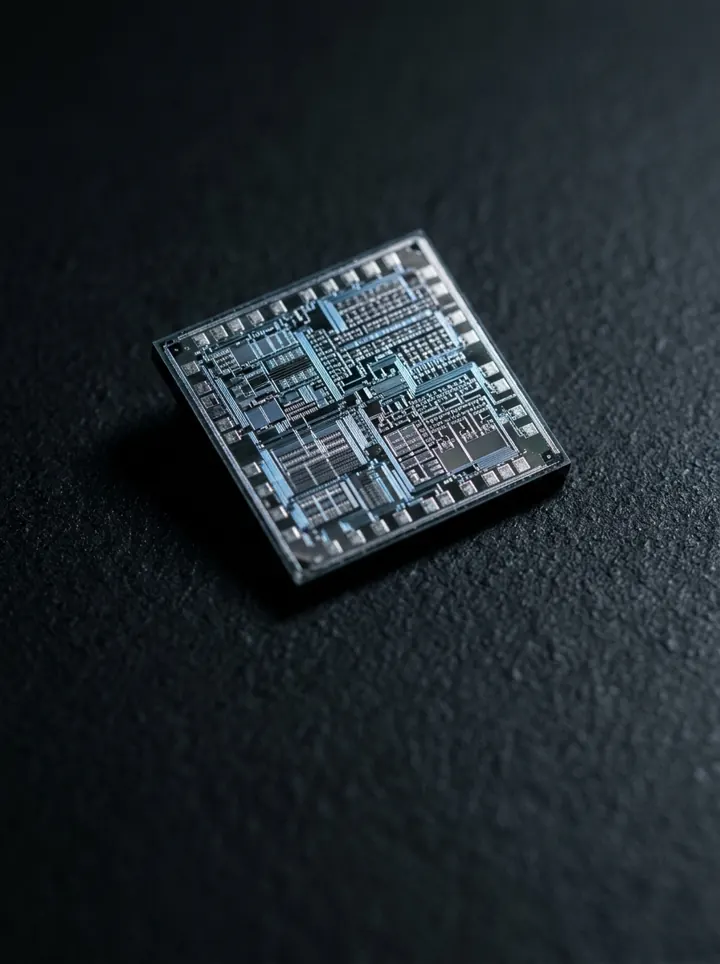
Modern AI runs on specialised processors, and NVIDIA makes the large majority of the ones used in AI data centres. Those chips decide how fast a country or company can train and run powerful AI models, which makes them an economic and military asset. Since October 2022, the United States has restricted exports of its most advanced AI chips to China, and US prosecutors have since brought cases against people accused of smuggling them.
What's confirmed, what's alleged
Here is what major outlets reported between 8 and 11 November 2026. We separate confirmed facts from allegations on purpose.
- Confirmed: the affair. In an internal email to employees reported by Axios, CNBC and NBC News, Jensen Huang admitted being unfaithful to his wife and apologised to his family.
- Confirmed: an investigation. NVIDIA's board opened an independent investigation led by independent directors and hired the law firm Wachtell, Lipton, Rosen & Katz. It said it has no reason to believe national security or NVIDIA secrets were compromised.
- Alleged: an intelligence link. Reports say US intelligence agencies have linked the woman to China's Ministry of State Security, and some outlets connect her to companies accused of acquiring NVIDIA chips for Chinese buyers. China's foreign ministry called the claims "entirely groundless". None of this has been proven.
- Confirmed: political pressure. US lawmakers have called for tighter chip export rules in response.
An old espionage playbook
If the allegations were ever proven, they would fit one of the oldest tactics in intelligence work: getting close to powerful or well-informed people through personal relationships. During the Cold War, East Germany's foreign intelligence service became known for so-called "Romeo" operations that targeted secretaries and officials in the West. Security agencies today still warn executives and officials about this kind of approach, especially in strategic industries.

What if every AI chip were tracked?
One proposal in the US debate is to require location verification for advanced AI chips, so authorities could detect when chips end up in countries they're banned from, much like tracking a parcel. Supporters say it would make smuggling far harder; critics, including chipmakers, worry about security backdoors and customer trust. Whatever the outcome of NVIDIA's investigation, this story makes that debate much louder.
This is a developing story. Facts are as reported up to 11 November 2026 and may change; we'll update this page when the investigation reports.
FAQ
Did Jensen Huang admit the affair?
Yes. Major outlets including Axios, CNBC and NBC News reported that he admitted it in an internal memo to NVIDIA employees in November 2026.
Is it proven that the woman was a spy?
No. Reports say US intelligence agencies have linked her to China, but this has not been proven publicly, and China's foreign ministry has called the allegations groundless.
What is NVIDIA doing about it?
NVIDIA's board opened an independent investigation with outside counsel (Wachtell, Lipton, Rosen & Katz) and said it had no reason to believe national security or company secrets were compromised.
Why are AI chips restricted for export to China?
The US considers the most advanced AI chips strategically important and has restricted their export to China since October 2022, tightening the rules several times since.
Sources & further reading
- Axios (8 Nov 2026): Nvidia CEO Jensen Huang admits affair, board to launch investigation.
- CNBC (8–10 Nov 2026): Nvidia investigates CEO's relationship with alleged Chinese spy; Wachtell Lipton hired to lead probe; Congress scrutiny.
- NBC News (Nov 2026): Nvidia opens investigation after CEO's affair with alleged Chinese spy.
- Al Jazeera (10 Nov 2026): Nvidia spy scandal fuels debate over chip exports to China.
- US Department of Commerce, Bureau of Industry and Security: advanced computing export controls (Oct 2022 and updates).
This is a hypothetical scenario explained with real science. Numbers are rounded for clarity. Images are AI-generated illustrations of real phenomena. Spotted an error? Tell us and we'll fix it.